
The number of people taking fish oil supplements is growing each day. Despite the promise of benefit however, the popular ‘cure-all’ does little for the heart

Below you'll find a list of all posts that have been tagged as “stroke”
The number of people taking fish oil supplements is growing each day. Despite the promise of benefit however, the popular ‘cure-all’ does little for the heart

Coffee consumption, especially several cups a day, is definitely associated with numerous health benefits and we see this in a wealth of observational and interventional research that looked into coffee drinking and health outcomes in adults.
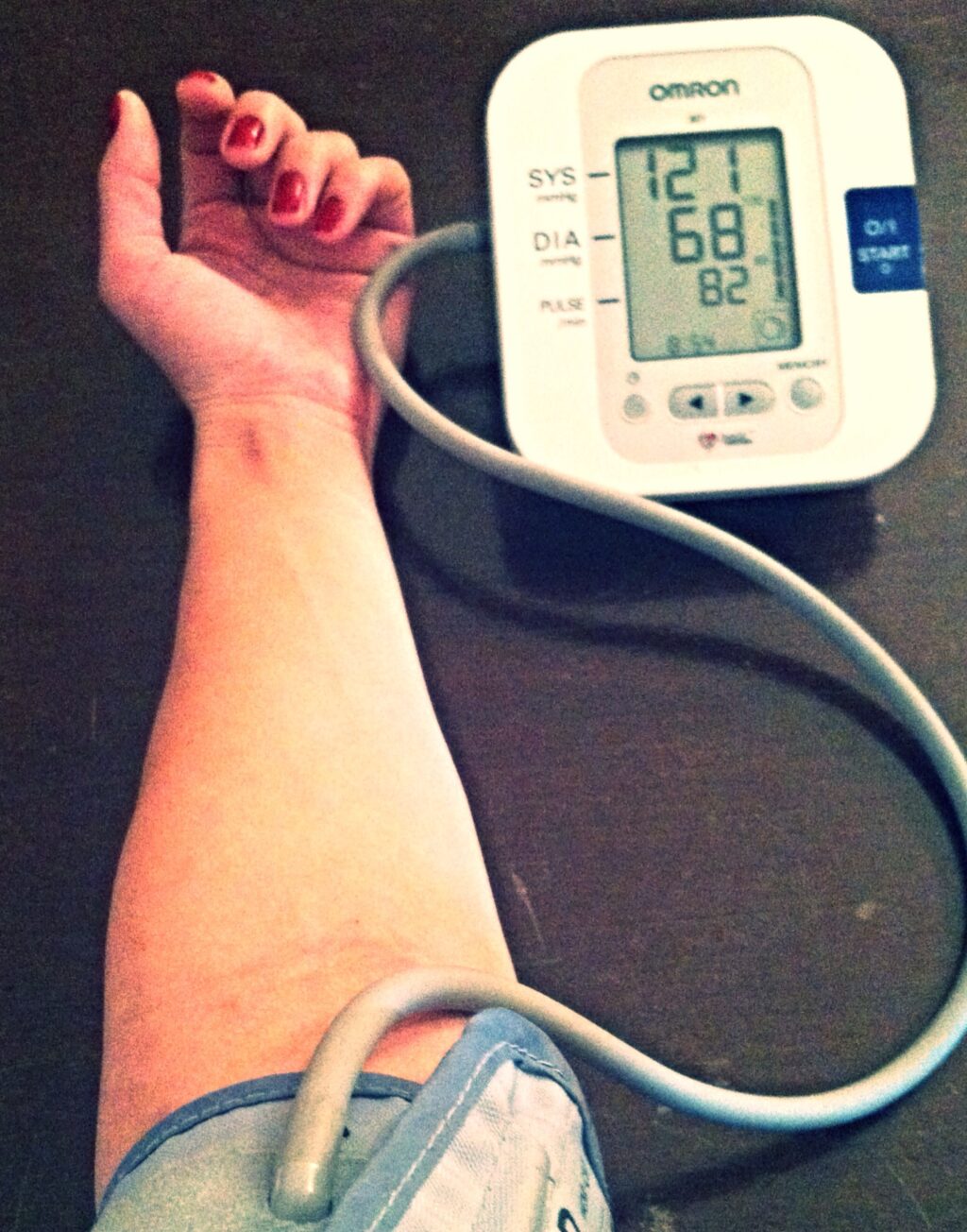
Hypertension – elevated blood pressure, is the most common condition seen in primary care and leads to myocardial infarction, stroke, renal failure, and death if not detected early and treated appropriately

Dear readers: Some time ago, father of a friend of mine had suffered a stroke – he’s still alive and on his way to recovery mostly because of the prompt and immediate reaction of the people who were there when it happened.
Those first few hours following a stroke are what decide between living or dying, between serious and irreversible brain damage and a minor, repairable one.
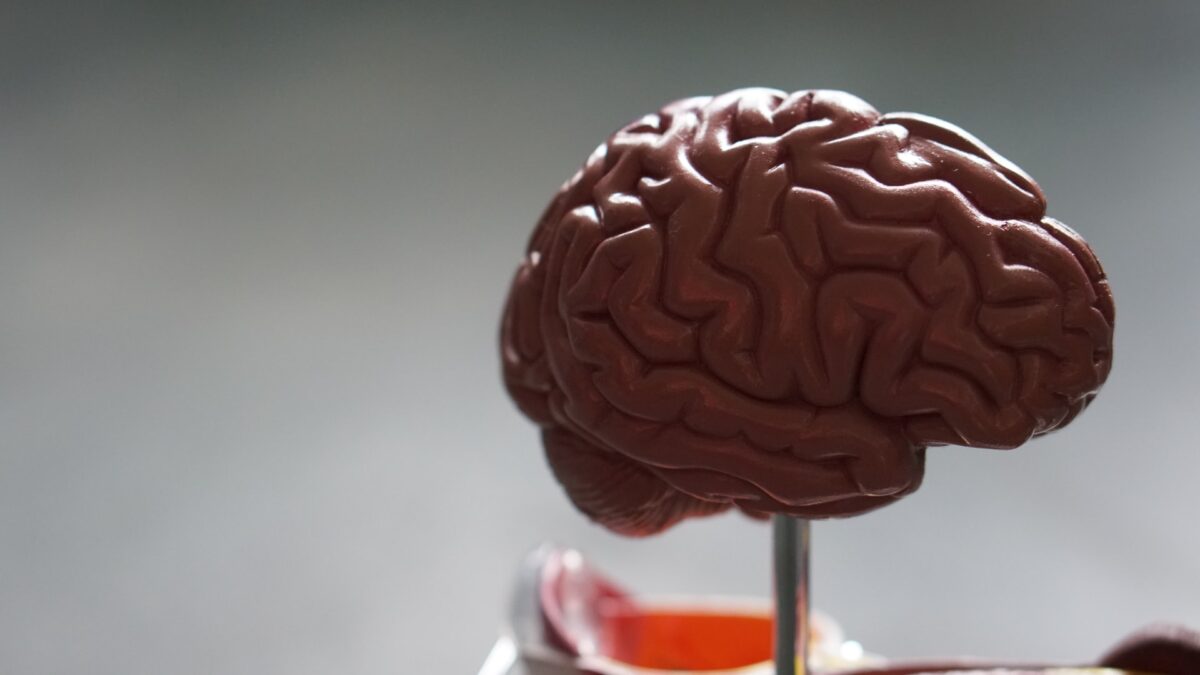
Dear Dr. Mo: Someone I know has just had a stroke. What can I do to reduce my risks of stroke? I’m middle aged and generally in good health.
Dear reader: What we have long suspected, the latest study published in the American Heart Association journal Stroke confirms: By making small changes in our lifestyle, we could reduce our risk of having a stroke by up to 48%, depending on our general health status – the better our overall health, the larger the reduction in stroke risk!

Dear Dr. Mo: My wife loves zucchini. I am not a big fan but she insists that zucchinis are healthy without stating any specific health benefit. Are zucchini really that healthy?
Dear reader: Zucchini are indeed very good for your health. They help you control and manage your weight and its vitamins and minerals boost your immune system, health of your heart, skin, eyes and lungs.

Dear readers, our modern diets are plagued with unhealthful food choices. Many people are struggling with excess weight and our arteries are taking the toll over the years – they begin to accumulate plaque. Plaque buildup increases the chances for heart disease, heart attack and/or stroke.
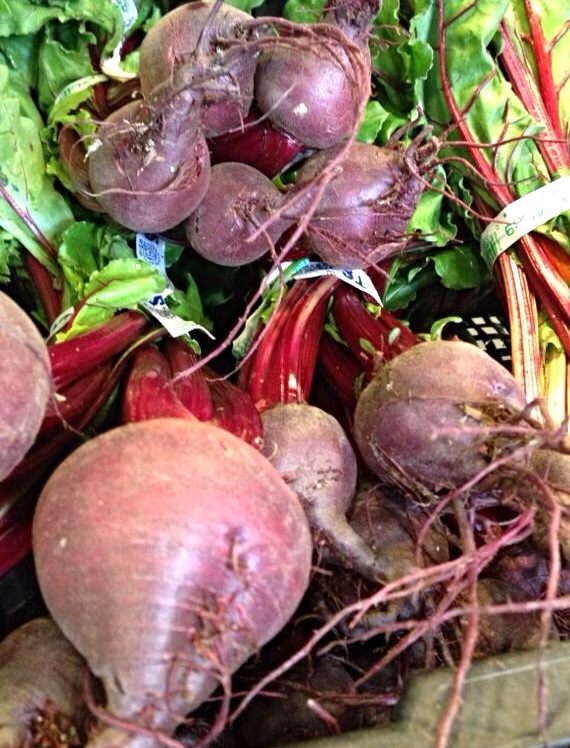
Dear Dr. Mo: My blood pressure has recently been slightly elevated. Are there some ways to control it with a healthy diet before I turn to meds?
Dear reader: The so called ‘high normal’ blood pressure (130-139/85-89 mmHg) and even sometimes Stage I hypertension (140-159/90-99 mmHg) can actually be alleviated and managed with mostly life-style changes like salt restriction, proper hydration, quitting smoking, exercise and of course diet adjustments. I am not suggesting you shouldn’t take the meds prescribed by your doctor – do take them by all means as these are usually necessary to act as short-term blood pressure regulators. (In some cases, meds are constantly required).
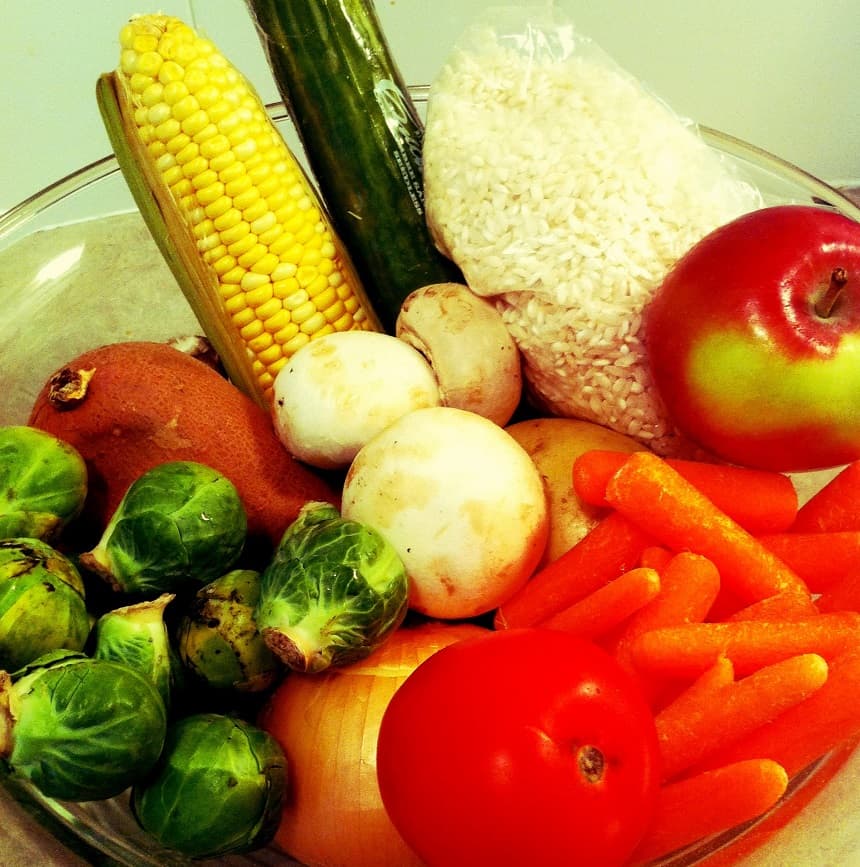
Dear Dr. Mo: How do we really define healthy eating? Where should I begin?
Dear reader: Healthy eating could mean different things for different people so when you hear or read that you should eat healthy, there comes a logical question – what does it mean for you?
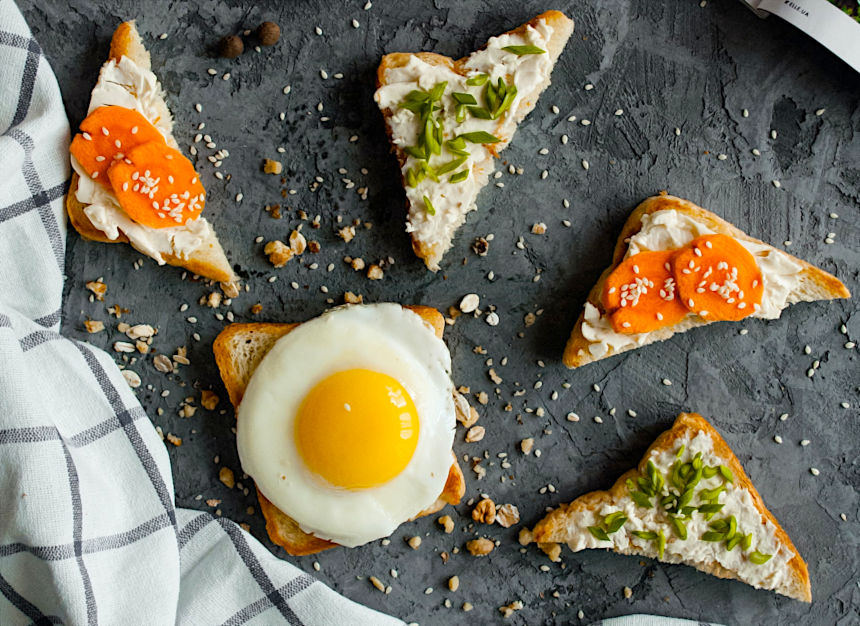
Dear readers: Many posts on this site discuss different aspects of a healthy diet and mostly emphasize the importance of balanced, versatile and flexible but healthy food choices, whether you are staying put or travelling.
This pattern of eating could be named in different ways and many have heard of the so called Mediterranean diet, which is in fact exactly that – a variety of good foods arranged in a flexible manner throughout the day.
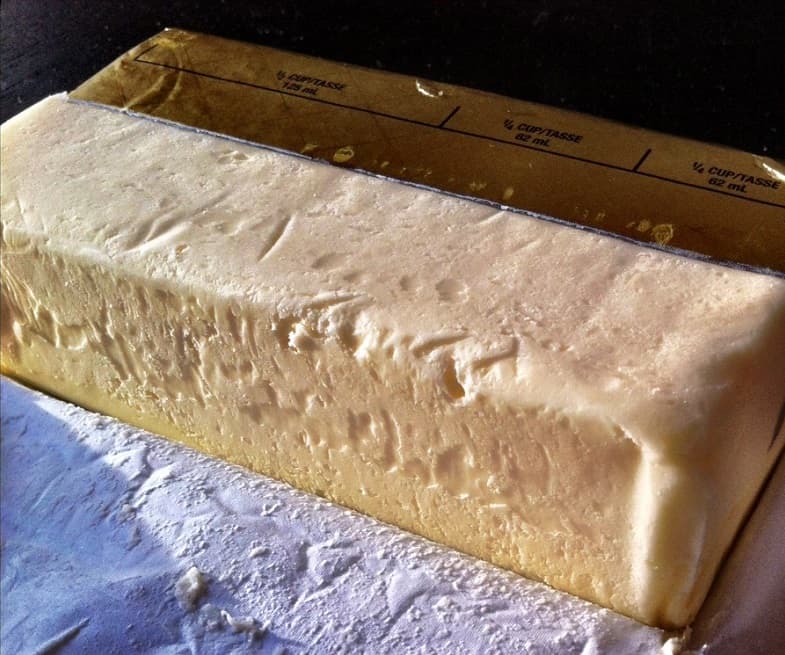
Dear Dr. Mo: I love butter but is margarine better for my health? And which one?
Dear reader: I remember when I was a child, I used to steal a stick of butter from the fridge and eat it whole, biting on it as if it were an apple. I loved the way it melted through my little fingers and the greasy and salty taste it had as I munched on it. Whenever my theft was discovered, my grandmother wasn’t too happy about it – she thought I would spoil my stomach with that much butter – often times she was right.

Dear Dr. Mo: I want to know some basic facts about alcohol and what it does to me when I drink. Is there a safe amount that’s actually good for health?
Dear reader: Sometimes you might hear from a doctor that moderate alcohol consumption is good for health.
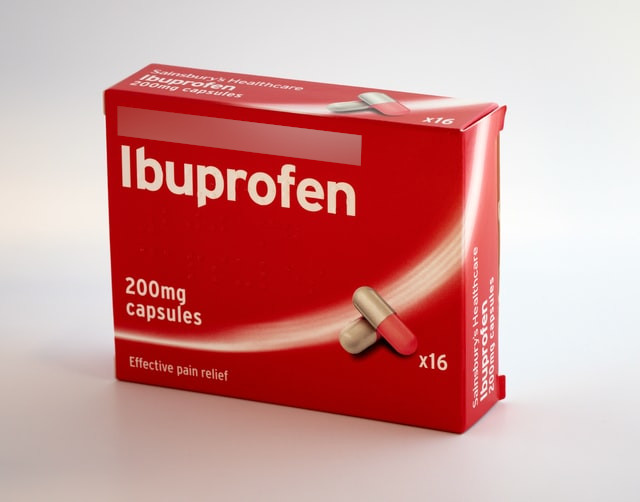
Dear Dr. Mo: Why is Ibuprofen so ‘good’ and always prescribed as a medication in flu conditions? Are there any known side effects for using it?
Dear reader: Ibuprofen belongs to a class of medications called NSAIDs – non-steroidal anti-inflammatory drugs. It works by discontinuing the body’s production of chemical messengers that cause pain, fever, and inflammation. These substances are called ‘prostaglandins’. But prostaglandins also help protect the lining of your stomach and other tissues, so blocking their production can cause side effects such as ulcers and gastrointestinal bleeding, which is the most common concern when NSAIDs are being used.
