
Available data shows that keto diet is NOT clinically more effective for weight loss than other diets, when followed for at least a year or more.

Below you'll find a list of all posts that have been categorized as “Diet and health”
Available data shows that keto diet is NOT clinically more effective for weight loss than other diets, when followed for at least a year or more.

Recent evidence shows true anxiolytic effects of omega-3 polyunsaturated fatty acids a.k.a. Omega-3 PUFAs (found in fish oil), which were found to reduce anxiety symptoms in studies.

Coffee consumption, especially several cups a day, is definitely associated with numerous health benefits and we see this in a wealth of observational and interventional research that looked into coffee drinking and health outcomes in adults.

Up until recently, we were advising parents and caregivers against juice consumption in infants 6 months and younger. There is simply no nutritional benefit in juice. Now, earlier this year, The American Academy of Pediatrics (AAP) has expanded its recommendation against offering juice to all infants 12 months and under.

Eating a healthy diet in general can be challenging and tailoring it to a specific health need only adds to that challenge
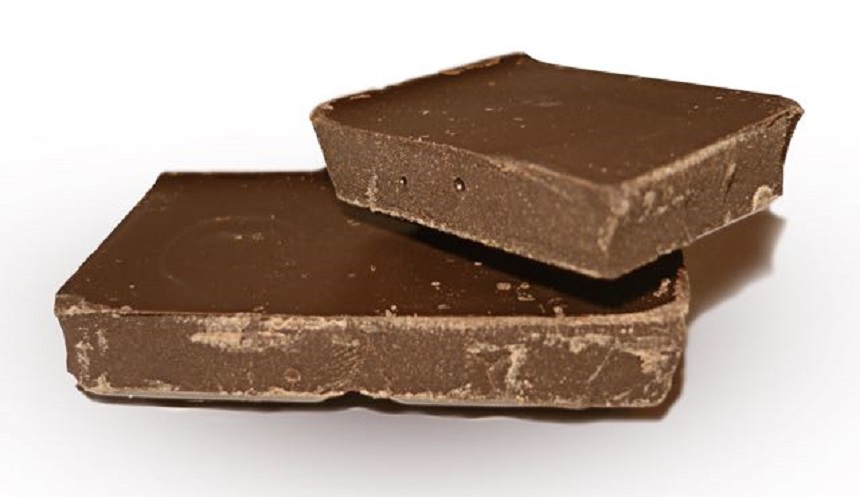
Dear Dr. Mo: I’d like to know if there are any health benefits we can derive from eating chocolate?
Dear reader: Having a sweet tooth myself, I very much understand your concern and in the context of health, I am happy to say – Yes!

Take a look at this very nice infographic by American Heart Association about the common myths related to our daily salt consumption.

Dear Dr. Mo: I’m worried that smoking marijuana might make me gain weight – is it true that this could happen?
Dear reader: Consuming marijuana classically produces symptoms of increased appetite (so called the munchies) and in principle, it could lead to weight gain in otherwise healthy individuals. This, in addition to its anti-nausea effect (anti-emetic) is the reason marijuana is sometimes prescribed to cancer patients to alleviate some of their symptoms (from both the illness and its therapy).

In this post I answer a reader’s question about timing of meals and weight loss and discuss the latest research results on the subject.
One is more likely to be overweight if one has a lot of friends who are overweight and a very good way to gain weight is to have lunches or dinners with other people, especially if they are overweight.

Dear Dr. Mo: Is gluten-free food generally a healthier option?
Dear reader: The trouble with gluten-free products is that they tend to have a health aura around them, which sometimes blinds people from seeing what they’re really eating.
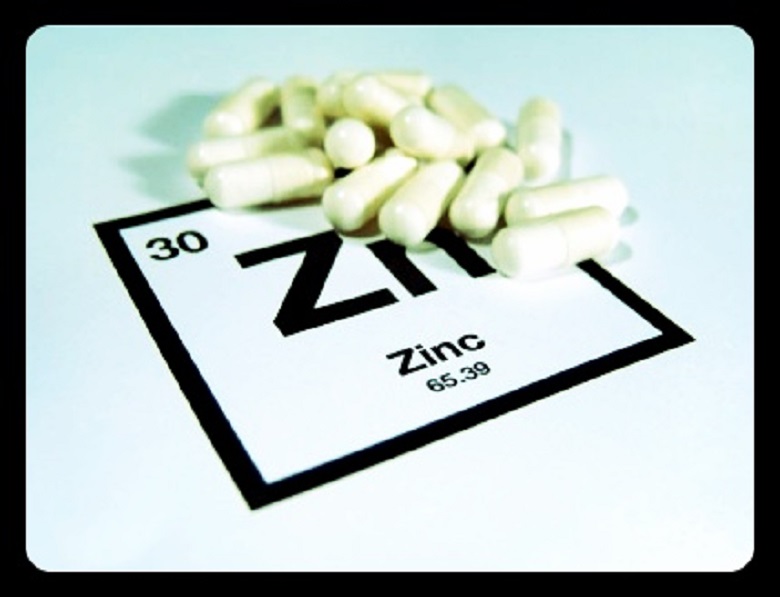
Dear Dr. Mo: Is Zinc helpful in treating the common cold? Should I use it?
Dear reader: When we catch the infamous cold (acute upper respiratory tract infection), sometimes the symptoms may be severe enough that we reach out to anything that has even a hint of a promise of a quick cure.

Dear Dr. Mo: I am trying to lose some weight and improve my diet. Is there a way to shop around for good foods that will load me with less sugar and help me eat healthier?
Dear reader: The total amount of carbohydrates we consume (with a meal or with a snack) mostly determines what happens to our blood sugar levels right after we eat. But, it’s not just the absolute amount of carbs that’s important – the food itself also plays a big part. So, for example, a serving of white bread or white rice has almost the same effect as eating pure table sugar— it produces a quick, high spike in blood sugar. On the other hand though, a serving of something like zucchini, beans or squash has a slower, smaller effect.

Dear Dr. Mo: What about onions and health – I avoid them because they give me bad breath but I actually love onions. Should I eat them anyways?
Dear reader: With their unique combination of flavonoids and sulfur-containing nutrients, the allium vegetables—such as onions—belong in a healthy diet on a regular basis.

Dear Dr. Mo: You’ve mentioned that Squash is rich in vitamin A but cautioned not to take too much of it. How can vitamins hurt us? Specifically, why is vitamin A important and how can it be harmful? What’s happening in vitamins deficiency?
Dear reader: Vitamin A has many vital functions and people associate it with good vision and this is certainly true. This vitamin along with vitamins D,E and K is not water soluble, which means they are not easily removed from our body and can hang on for a long time in our fat tissue, being fat-soluble. That’s why too much of it will stick around and cause problems. Apart from good vision, here are a few other equally significant roles of vitamin A in normal, deficient and excess situation:
