
Coffee consumption, especially several cups a day, is definitely associated with numerous health benefits and we see this in a wealth of observational and interventional research that looked into coffee drinking and health outcomes in adults.

Below you'll find a list of all posts that have been categorized as “Pregnancy”
Coffee consumption, especially several cups a day, is definitely associated with numerous health benefits and we see this in a wealth of observational and interventional research that looked into coffee drinking and health outcomes in adults.
Dear Dr. Mo: What if I needed an emergency contraception and didn’t have it (couldn’t get it) – would a regular pill do the trick?
Dear reader: Even though I don’t recommend this as a contraceptive practice of choice, the answer is Yes.

Dear Dr. Mo: I’ve read your post on C-section and I wanted to know more about what you’ve said were risks for ‘increased respiratory problems of the newborn’ with C-section delivery. Also, why do babies always cry when they’re born?
Dear reader: Your questions about newborn’s breathing at the instant of birth and crying are important and could prompt a very technical answer, which I will try to avoid here.
Dear Dr. Mo: I’m due soon and I’ve been considering to ask for a cesarean birth – what would you medically recommend a woman should go for, normal or cesarean?
Dear reader: What you are considering is what we term a Cesarean delivery (C-section) on maternal request, in which case you would undergo a planned C-section delivery before the natural onset of labor, without you or your baby really medically needing it and in such scenarios, I tend to advise against it.
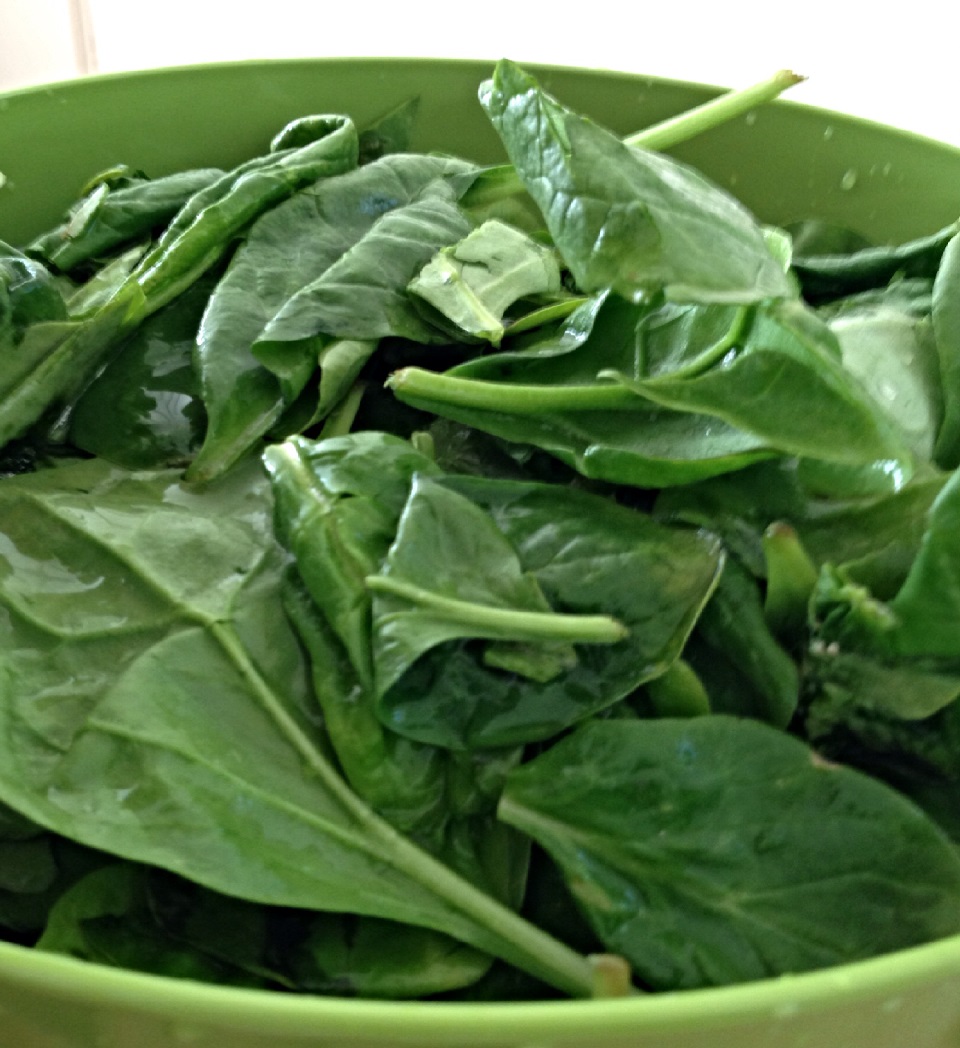
Dear readers: Spinach is one of those foods we should always have in mind when we’re planning a healthy meal – it’s just that good! In fact it is one of the healthiest leafy greens around – and it’s actually not so much for its iron content although that’s likely to be your first association.
Popeye the Sailor has been eating tones of it for decades but what works for him is not really what works for the rest of us, at least when iron is concerned.
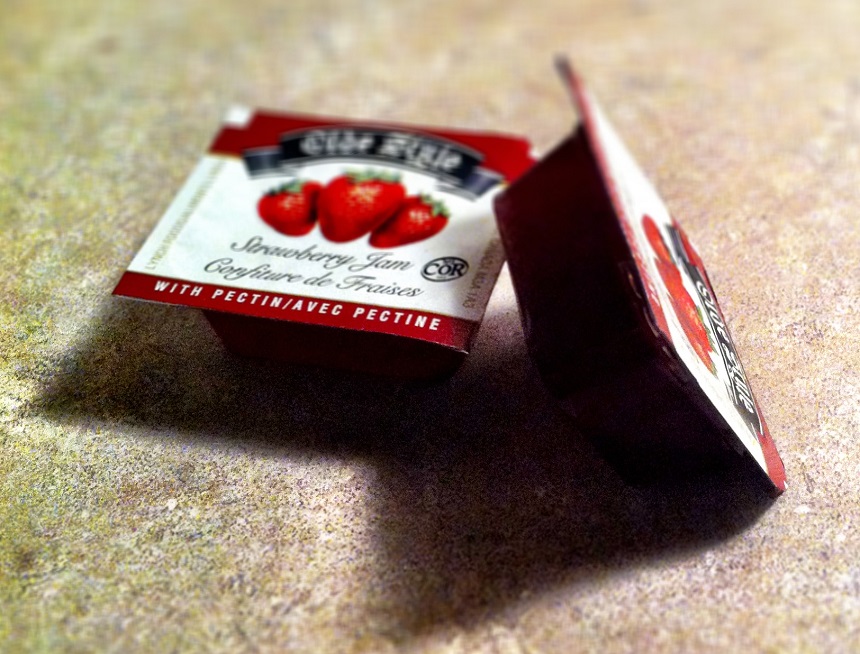
Dear Dr. Mo: What exactly are the artificial sweeteners and what are their pros and cons?
ear reader: Artificial sweeteners are sugar substitutes, usually synthetic , but may also come from naturally occurring substances like herbs or sugar itself (like sucralose, which is derived from sugar).
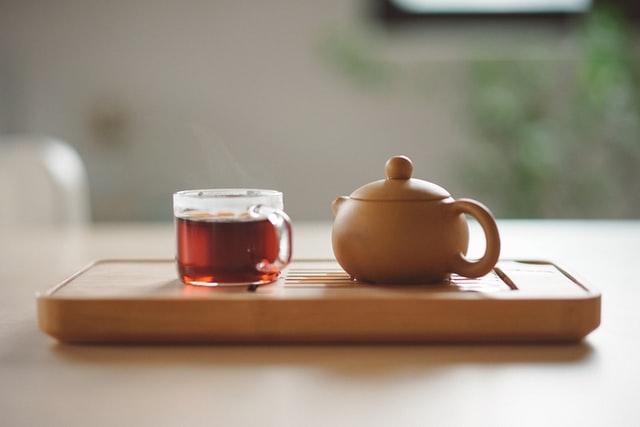
Dear Dr. Mo: What is the deal with other teas – not relating to caffeine? I’ve heard pregnant women shouldn’t drink chamomile tea…? I thought ‘herbs’ were generally healthy and a desirable component.
Dear reader: During pregnancy, many women choose herbal infusions instead of caffeinated drinks. Most of these choices are perfectly fine.
Dear Dr. Mo: Is green tea safe during breast-feeding?
Dear reader: While drinking green tea is generally considered safe and beneficial to health, due to its polyphenol content, it is important to note that it also contains 2 – 4% of caffeine, which could affect some people more than others.

Dear Dr. Mo: How to recover from a Cesarean section?
Dear reader: It is important to know that, after any surgery, the recovery is done in stages, it is gradual and it takes some time and effort but in the end, all was worth it.

Dear Dr. Mo: What to do for constipation during pregnancy?
Dear reader: Constipation (infrequent bowel movements or having difficulty in passing stools – waste products of digestion), is a common gastrointestinal problem and also a common complaint in pregnancy, usually affecting women during the first and/or last trimester of the pregnancy.
