Your lifestyle can protect your brain – small lifestyle changes largely reduce stroke risk

Dear Dr. Mo: Someone I know has just had a stroke. What can I do to reduce my risks of stroke? I’m middle aged and generally in good health.

Dear reader: What we have long suspected, the latest study published in the American Heart Association journal Stroke confirms: By making small changes in our lifestyle, we could reduce our risk of having a stroke by up to 48%, depending on our general health status – the better our overall health, the larger the reduction in stroke risk!
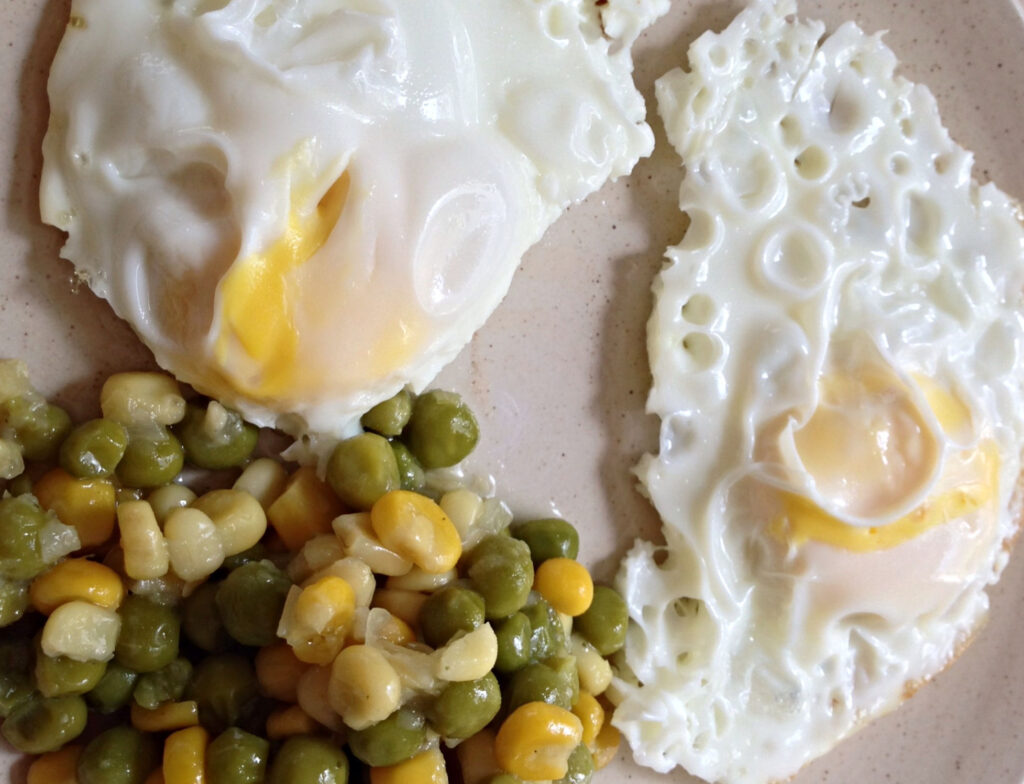

The Egg myth debunked – eggs won’t kill you after all

Dear Dr. Mo: Should I or shouldn’t I eat eggs and are they healthy in any way? People keep saying eggs are full of cholesterol and should be avoided but, is this true?

Dear reader: Contrary to a wide-spread belief (or myth), eggs are very healthy food and a healthy individual can and should eat them on a regular basis. If a person loves eggs vey much and eats too many of them, this can increase cholesterol levels and associated risks for heart disease but if you stick to 4 whole eggs or fewer a week, evidence suggest that any risks you may have will not increase.

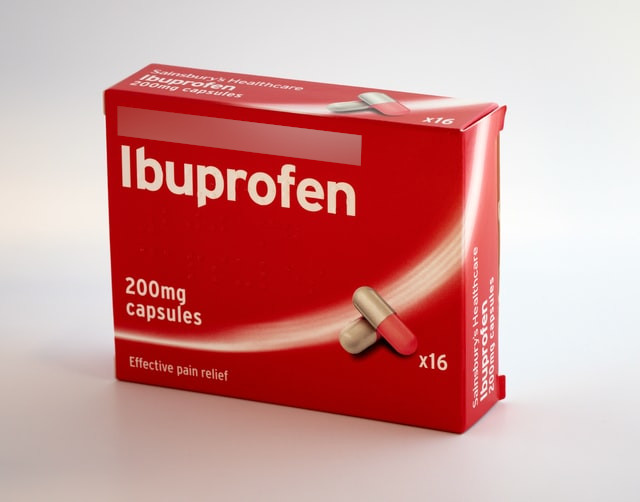
Ibuprofen – pros and cons

Dear Dr. Mo: Why is Ibuprofen so ‘good’ and always prescribed as a medication in flu conditions? Are there any known side effects for using it?

Dear reader: Ibuprofen belongs to a class of medications called NSAIDs – non-steroidal anti-inflammatory drugs. It works by discontinuing the body’s production of chemical messengers that cause pain, fever, and inflammation. These substances are called ‘prostaglandins’. But prostaglandins also help protect the lining of your stomach and other tissues, so blocking their production can cause side effects such as ulcers and gastrointestinal bleeding, which is the most common concern when NSAIDs are being used.