Ibuprofen – pros and cons

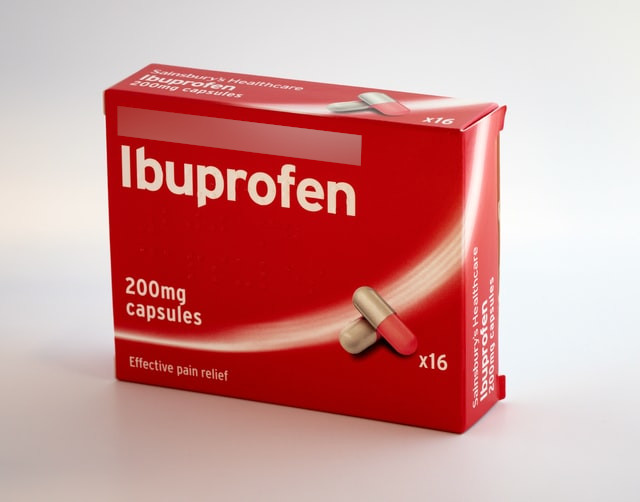
Dear Dr. Mo: Why is Ibuprofen so ‘good’ and always prescribed as a medication in flu conditions? Are there any known side effects for using it?

Dear reader: Ibuprofen belongs to a class of medications called NSAIDs – non-steroidal anti-inflammatory drugs. It works by discontinuing the body’s production of chemical messengers that cause pain, fever, and inflammation. These substances are called ‘prostaglandins’. But prostaglandins also help protect the lining of your stomach and other tissues, so blocking their production can cause side effects such as ulcers and gastrointestinal bleeding, which is the most common concern when NSAIDs are being used.
Drink water to stay healthy

Dear Dr. Mo: How much water do I really need to stay hydrated and healthy?

Dear reader: This is the time of year where common colds are indeed common and when you will often hear that advice to drink lots of fluid, usually herbal teas or water. Of course, water is essential to your health but the needs for water vary from person to person and many factors may influence that, like for example your health condition, your daily activities, where you live, your age, metabolic rate etc.

Diabetes and weight – what is the link?

Dear Dr. Mo: What is the link between being overweight and developing Type 2 diabetes? Can diabetes be prevented or cured somehow?

Dear reader: First of all it is worth pointing out that diabetes is a chronic condition. For most types (except gestational type) this chronicity means that once it occurs, it stays for life – this is not a disease we can effectively cure with our present knowledge but we can quite successfully manage it.

Sleep, health and weight loss

Dear Dr. Mo: I am looking into some weight loss programs and I am trying to work out my strategy to come back to my healthy weight. My work sometimes requires giving up on sleep and I tend to be too tired too often. Should I also consider better sleep as part of my weight loss strategy?

Dear reader: What an insightful question! Many of the dieting programs focus heavily on dietary habits and the types of foods we eat, when we eat them and how much. This is rightly so because to attain and maintain a healthy weight, we require a careful selection of healthful foods and a balanced way to eat them. We should also be mindful of our calorie total– don’t go below 1200 calories a day to avoid driving your body into starvation mode.

Multivitamins – yes or no?

Dear Dr. Mo: How useful are multivitamin supplements and when should you take them? I tend to take them during the winter when I think I might be more likely to catch a cold from my students…

Dear reader:First of all, try to eat a healthy diet – this goes without saying. A multivitamin daily dose does provide some help against nutritional deficiencies but cannot and should not replace the natural way we take in vitamins – through a healthy and balanced diet. This diet is rich in fruits, vegetables, whole grains, healthy oils, nuts and low in red meat and unhealthy fats. For those people who manage to eat a healthy diet like that, a multivitamin may have little or no benefit.

Myth

6 myths about healthy eating and weight loss

Dear readers: After receiving many of your questions related to weight loss, diet and healthy eating, I have realized that there are several misconceptions about dieting, which are bound to affect your diet plans. I think now is the good time to talk about some of the most common advice, which you will hear the minute you announce that you’ve decided to lose some weight or to change your diet habits. I am not saying that all these are completely devoid of truth, but even with a grain of truth in it, a proper interpretation is in order.

Green tea and breast feeding

Dear Dr. Mo: Is green tea safe during breast-feeding?

Dear reader: While drinking green tea is generally considered safe and beneficial to health, due to its polyphenol content, it is important to note that it also contains 2 – 4% of caffeine, which could affect some people more than others.

Low-carb foods – is low-carb healthy?

Dear Dr. Mo: I’m considering a low-carb diet. I’m thinking to cut my calories in order to support my weight-loss plan. Is it a good idea and what are some low-carb foods to start with?

Dear reader: Eating a low carb diet as a way to lose weight may sound attractive but it may also backfire as such dieting could drive our body into an energy conserving mode. In this mode, the body stores more fat for a rainy day than it normally would – this is because we provide insufficient amount of calories over a longer period of time and in anticipation of yet another calorie-poor meal, our metabolic engine slows down and conserves energy more and more.

Skipping your meals – how bad is it?

Dear Dr. Mo: I’m on a diet, but it sometimes turns into no-food scenario for hours and hours after which I feel nervous and weak. How bad is it to skip meals?

Dear reader: Delaying or skipping meals is among the worst things you can do in your diet. It causes your blood sugar levels to fall, even beyond optimal limits and this in turn causes you to feel cranky and nervous.
When the blood sugar is low this condition is called Hypoglycemia and it is usually mild but it can become severe and even life-threatening.

Foods to lower your Cholesterol

Dear Dr. Mo: I’m worried about my cholesterol levels and I am thinking of ways to avoid foods that will keep on raising it. What to do to bring my cholesterol down?

Dear reader: Following a healthy diet usually brings up the question of which foods to avoid. The follow up thought in our heads leads us to figuring out which foods could raise our cholesterol levels and add kilograms.

Fiber-rich foods – your allies in healthy weight loss

Dear Dr. Mo: I wish to lose some weight and I know fiber is important part of a good weight-loss plan. My diet so far has not been very healthy and I am trying to improve it. Which foods do you suggest as a good source of fiber?

Dear reader: Nutritional super foods, rich in fiber, antioxidants, vitamins, minerals and other health preserving compounds are all around us. And yet, we succumb to advertising and our own cravings for sugars, greasy junk food and the simple fact that fast food is easier to acquire, it’s more readily available and in truth, it is often cheaper.

Eating healthy while traveling – is it possible?

Dear readers, recently I was traveling to Kazakhstan and had to take connecting flights totaling in almost 15 hours of travel time (including some 6 hours of waiting in Frankfurt for my connection to Almaty).

During this travel, I was trying to really see what would it take to maintain a healthy diet and if such a thing is at all possible.